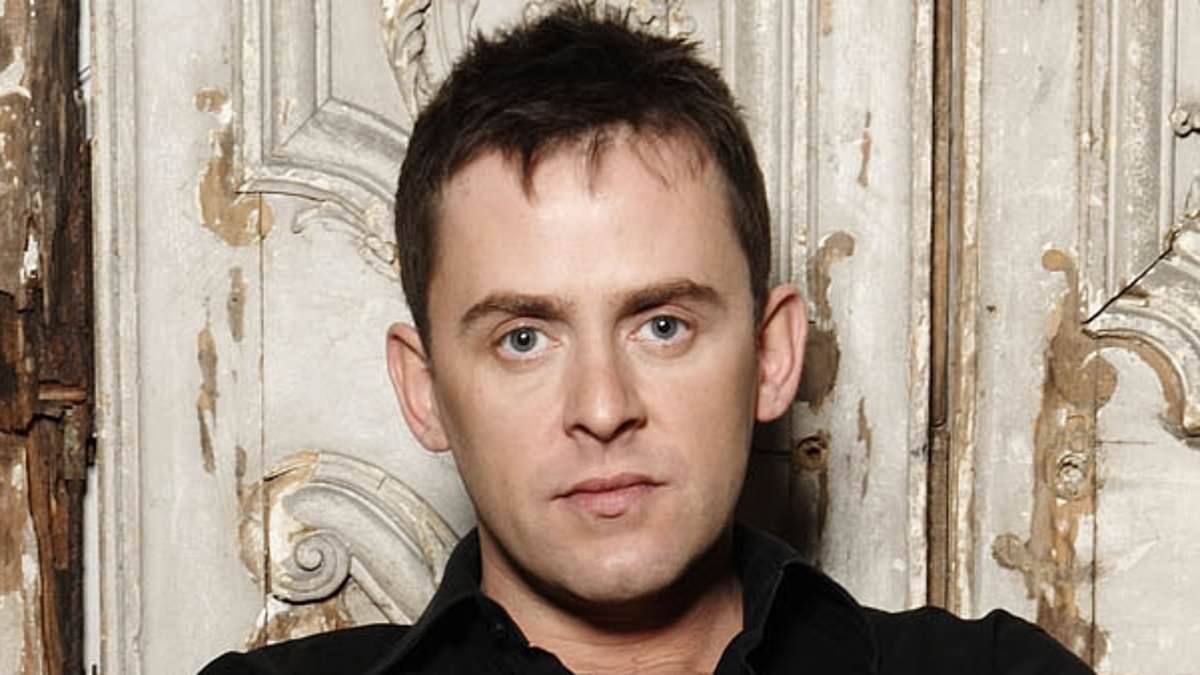
Scott Mills' Shock Exit: What Happens to BBC Radio 2 Breakfast?
The airwaves of BBC Radio 2 were recently rocked by the abrupt and unexpected departure of one of its most prominent voices, Scott Mills. Known for his charismatic presence and long tenure across various BBC stations, Mills' sudden exit has left both dedicated listeners and industry insiders grappling for answers. The announcement, shrouded in the BBC's characteristic discretion regarding personnel matters, has ignited widespread speculation, particularly concerning the underlying reasons for his swift removal. The central question on everyone's mind revolves around what precisely led to this seismic shift in the BBC's broadcasting landscape.
The Abrupt End to a BBC Era: What We Know So Far
The events leading up to Scott Mills' departure unfolded with startling speed, leaving little room for a gradual transition or a heartfelt on-air farewell. On Tuesday, March 24th, Mills concluded his BBC Radio 2 Breakfast Show at 09:30 GMT, as he always did, signing off with the customary "Back tomorrow." However, tomorrow never came. The following morning, listeners were greeted not by Mills, but by fellow DJ Gary Davies, who simply stated he was "in for Scott Mills." This immediate change signaled to many that something significant had occurred behind the scenes.
The official word from the BBC was, as anticipated, minimal. A spokesperson confirmed, "While we do not comment on matters relating to individuals, we can confirm Scott Mills is no longer contracted to work with the BBC." This terse statement, while confirming his exit, offered no insight into the reasons. However, a major newspaper subsequently reported that it "understands the allegation relates to a historic relationship." This specific detail has become the primary, albeit unverified, piece of information circulating regarding the circumstances surrounding his sacking.
For those asking, what did Scott Mills do to get sacked?, the answer, based on the limited information available, points towards these allegations concerning his personal conduct and a historic relationship. It is crucial to underscore that these are reported allegations, and the BBC has not provided specific details, nor has Scott Mills publicly addressed them at the time of writing. The lack of an official explanation from the BBC leaves a significant void, allowing for considerable public discussion and conjecture. For a deeper dive into the specifics of the allegations and the BBC's response, you might find Scott Mills Sacked: BBC Radio 2 Departure & Allegations particularly insightful.
A Shock to Staff and Loyal Listeners Alike
The ripple effect of Mills' sudden departure extended far beyond the immediate switch of presenters. Internally, the news came as a significant shock to BBC staff. Lorna Clarke, Director of Music at the BBC, addressed employees in an email on Monday morning, acknowledging the unexpected nature of the announcement. She wrote, "I know that this news will be sudden and unexpected and therefore must come as a shock. Not least as so many of us have worked with Scott over a great many years, across a broad range of our programmes on R1, 5Live, R2 and TV." This sentiment was echoed by colleagues like Jeremy Vine, who, at the start of his own Radio 2 show, admitted he was "taken aback by the story" and had "no further information."
Scott Mills' career at the BBC spanned over 25 years, making him a household name and a familiar voice across multiple platforms. His journey included a long and successful stint on Radio 1, hosting the Official Chart, a weekend show on BBC Radio 5 Live, and various TV appearances, including Strictly Come Dancing in 2014, a Eurovision semi-finals commentary with Rylan in 2025, and a recent Traitors skit for Comic Relief. Notably, in 2024, he won BBC's Celebrity Race Across The World with his husband, Sam Vaughan, highlighting his personal life and broad appeal. He joined Radio 2's weekday schedule in 2022, taking over the afternoon slot from Steve Wright, before ascending to the prestigious Breakfast Show in January 2025, replacing Zoe Ball.
His tenure on the Breakfast Show, though brief, was marked by success, with his audience figures increasing to 6.5 million listeners in February 2025, making it the UK's most listened-to breakfast show. This strong performance underscores the magnitude of his sudden exit and why it was such a profound surprise to his loyal fanbase. The silence from the BBC regarding the specifics of the "historic relationship" allegations only adds to the mystique and public intrigue, as further explored in BBC Stays Silent on Scott Mills' 'Historic Relationship' Sacking.
The Void on BBC Radio 2 Breakfast: What Happens Next?
With Scott Mills' contract termination, the immediate focus shifts to the future of the BBC Radio 2 Breakfast Show, a flagship program that commands millions of listeners daily. Gary Davies has stepped in as the interim host, a familiar and trusted voice for the station's audience. However, the question of a permanent replacement looms large. Finding a presenter who can maintain the show's popularity and connect with such a vast and diverse audience is a significant challenge for the BBC.
The Radio 2 Breakfast Show is more than just a time slot; it's an institution, setting the tone for millions of Britons' mornings. The role requires a unique blend of personality, wit, and the ability to navigate a wide range of topics, from light-hearted banter to more serious news. The BBC will undoubtedly be considering a shortlist of potential candidates, weighing factors such as audience familiarity, existing contracts, and their ability to bring a fresh yet consistent feel to the show. The process of identifying and onboarding a new permanent host could take some time, and it will be closely watched by the industry and the public alike.
Navigating High-Profile Departures: Broader Implications
The situation surrounding Scott Mills' departure highlights the delicate balance major media organizations like the BBC must strike when faced with allegations against high-profile talent. On one hand, there is a responsibility to uphold ethical standards and address issues of personal conduct seriously. On the other, there's the need to protect individuals' privacy, especially when allegations involve historic relationships and may be subject to ongoing processes. The BBC's consistent stance of not commenting on individual personnel matters, while standard, invariably leads to public speculation and a hunger for more information.
From an organizational perspective, managing such a crisis requires careful communication and strategic planning. The immediate response of replacing the presenter and offering limited internal commentary aims to contain the narrative while investigations or legal processes unfold. However, the prolonged silence can sometimes fuel more rumors than it quells. For any organization, high-profile departures necessitate a clear, though often restrained, communication strategy to maintain public trust and internal morale. The challenge lies in providing enough information to satisfy public interest without compromising privacy or ongoing procedures, a tightrope walk that the BBC is clearly navigating in this instance.
Lessons in Crisis Communication:
- Acknowledge the Situation: Confirming a departure, even without details, addresses the immediate public awareness.
- Maintain Discretion: Protecting the privacy of individuals involved is paramount, especially regarding unconfirmed allegations.
- Prepare for Speculation: Understand that in the absence of full details, the public and media will speculate.
- Support Internal Teams: Communication to staff, as demonstrated by Lorna Clarke's email, is crucial for morale and consistency.
- Focus on Continuity: Ensuring the show continues, even with a temporary host, minimizes disruption for the audience.
Scott Mills' sudden exit from BBC Radio 2 is a significant moment in British broadcasting, marking the end of a considerable era for a widely recognized and popular personality. While the BBC remains tight-lipped, the reports pointing to allegations concerning a "historic relationship" have provided a glimpse into the potential reasons behind this abrupt change. As the dust settles, the focus will undoubtedly shift to who will fill the significant void on the Radio 2 Breakfast Show and how the BBC will navigate the aftermath of such a high-profile, and unexpectedly silent, departure. The situation serves as a stark reminder of the complexities inherent in public life and the intense scrutiny faced by those in the media spotlight.